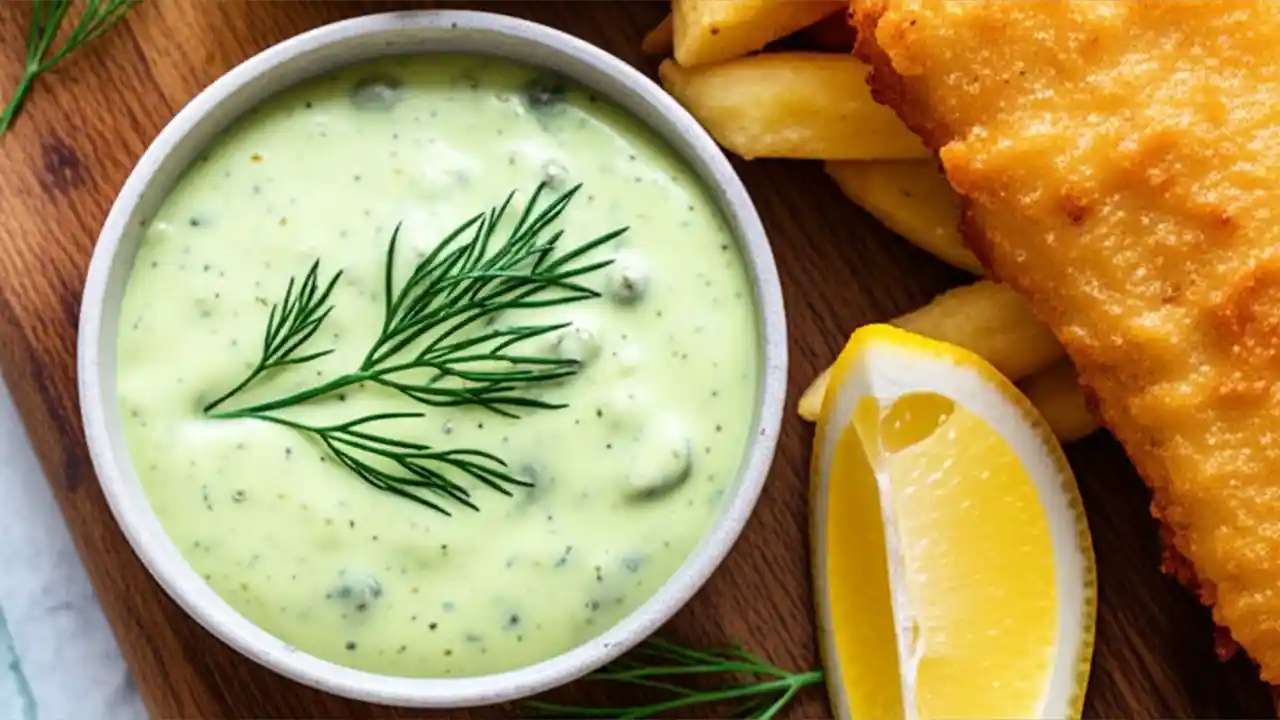
Secret Ingredients for Extra Tangy & Creamy Tartar Sauce
For too long, tartar sauce has been relegated to a supporting role, a mere condiment for fried fish. If you've ever dismissed it as a bland, one-note accompaniment, you're missing out on a world of vibrant flavor. Forget the disappointing, jarred versions lining supermarket shelves. Today, we're unlocking the true potential of this culinary chameleon, delving into the secret ingredients and simple techniques that transform a basic mayonnaise-based sauce into an extra tangy, undeniably creamy, and intensely flavorful masterpiece. Get ready to elevate your meals with the best homemade tartar sauce recipe you'll ever make.
Unlocking the True Potential of Tartar Sauce: Beyond the Fish Fry
The very name "tartar sauce" conjures images of fish and chips, a classic pairing that has defined its perception for generations. However, this creamy, piquant condiment boasts a history far richer and a versatility far greater than many realize. Tracing its hazy origins, culinary historians often point to France, where a similar sauce, *sauce tartare*, was traditionally served alongside steak tartare – a far cry from battered cod!
This historical context offers a crucial clue: tartar sauce was designed to cut through richness, to add a bright, acidic counterpoint that enlivens any dish. Once you taste a truly well-made homemade tartar sauce, its application will extend far beyond the sea. Imagine it dolloped generously atop a juicy burger, a sophisticated dip for crispy chicken tenders or roasted vegetables, a zesty spread for deli sandwiches, or even a surprisingly delightful addition to breakfast burritos. Its creamy texture and lively flavor profile make it a fantastic alternative to traditional mayonnaise or ketchup, bringing a gourmet touch to everyday meals. Discover even more ways to enjoy this versatile condiment in our dedicated article: Homemade Tartar Sauce: Beyond Seafood, A Versatile Condiment.
The Foundation of Flavor: Essential Ingredients for a Stellar Tartar Sauce Recipe
The magic of a truly exceptional tartar sauce lies not in exotic components, but in the quality and balance of its core ingredients. Each element plays a crucial role in building that signature tangy and creamy profile. Here’s a deep dive into what you need and why:
- Mayonnaise: The Creamy Canvas
The cornerstone of any great tartar sauce is high-quality mayonnaise. For unparalleled richness and texture, we strongly advocate for full-fat mayonnaise. While light mayo or even plain Greek yogurt can be used for a lower-calorie option, they will subtly alter the mouthfeel and overall creaminess. For the ultimate indulgence and flavor control, consider making your own mayonnaise from scratch – it’s surprisingly easy and rewarding. Experiment with different base oils like avocado oil mayo for a neutral taste or an olive oil blend for a subtly fruitier note. - Pickles: The Piquant Punch & Crunch
Chopped pickles are non-negotiable for their essential crunch and tangy, briny flavor. We prefer using good-quality dill pickles, especially the refrigerated kind or homemade varieties, for their crisp texture and robust sourness. For a slightly sweeter profile that still retains a delightful tang, bread and butter pickles or sweet gherkins can be used. For an even more refined and gourmet touch, tiny French cornichons, finely diced, offer a concentrated burst of flavor and crispness. - Fresh Lemon Juice: The Zesty Brightener
Freshly squeezed lemon juice is paramount. It’s the engine that drives the "tang" in our tartar sauce, adding a vibrant, fresh zest that elevates all other flavors. Beyond its taste, lemon juice also helps thin the sauce to the perfect consistency, preventing it from being overly thick or cloying. For an extra aromatic lift, don't hesitate to add a small amount of lemon zest along with the juice. - Capers: The Briny Secret Weapon
Roughly chopped capers are what truly separate a mediocre tartar sauce from an incredible one. These tiny, pickled flower buds contribute a distinctively briny, salty, and slightly floral note, along with a delightful textural pop. They are one of the unsung heroes that impart that irresistible savory depth often missing in store-bought varieties. - Dill: The Classic Herbaceous Note
Whether fresh or dried, dill is a must for that quintessential, recognizable tartar sauce flavor. Fresh dill, finely chopped, offers a brighter, more aromatic presence. If fresh isn't available, quality dried dill can work wonders. If you're not a fan of dill or want to experiment, fresh parsley is a classic alternative, offering a clean, peppery counterpoint. Don't be afraid to experiment with other finely chopped fresh herbs like chives or a hint of tarragon for different nuances. - Dijon Mustard: The Flavor Intensifier
A small but mighty dollop of Dijon mustard is critical. It provides an additional layer of sharp, complex tang and helps emulsify the sauce, lending it an extra creaminess. Do not skip this ingredient; its subtle pungency and sophisticated flavor are irreplaceable. For a slight variation, consider whole-grain Dijon for added texture or a spicy brown mustard for a subtle kick. - Worcestershire Sauce: The Umami Depth
This might seem like an unusual addition, but a small dash of Worcestershire sauce works wonders. Its fermented, savory profile adds a profound layer of umami and complexity, tying all the diverse flavors together into a cohesive, harmonious blend. It’s the secret ingredient that makes the sauce taste "complete."
Secret Techniques for Unforgettable Tang & Creaminess
While the ingredients are crucial, the way you prepare and combine them is equally important. These simple techniques elevate your homemade tartar sauce from good to truly exceptional.
Mastering the Chop
Tip 1: Chop everything nice and small. This isn't just about aesthetics; it's about flavor distribution. Take the time to finely mince your pickles, capers, shallots (if using), and fresh herbs. The goal is to ensure that every single spoonful or dip delivers a harmonious blend of all the flavors and textures. Larger chunks can lead to an inconsistent taste experience, where one bite is overly briny and the next is just mayo. Precision here ensures maximum impact.
The Magic of Mingling
Tip 2: Let it sit before serving. This is perhaps the most overlooked, yet most impactful, "secret ingredient." After combining all your ingredients, resist the urge to immediately serve. Instead, cover your bowl and slide it into the fridge for at least 15 minutes, or ideally, for several hours. This resting period allows all the distinct flavors – the sharp lemon, the salty capers, the aromatic dill, the pungent mustard – to intermingle and meld. The result is a sauce that is significantly more complex, balanced, and harmonious than one served immediately. The flavors deepen, and the sauce achieves a more integrated, creamy consistency.
Beyond the Basics: Optional Enhancements for Your Signature Tartar Sauce
Once you’ve mastered the core recipe, feel free to personalize your tartar sauce recipe with these optional additions:
- Shallots or Red Onion: Finely minced shallots offer a milder, more delicate onion flavor than a harsh raw onion, adding an aromatic depth without overpowering. If using red onion, a quick rinse under cold water can temper its bite.
- A Touch of Sweetness: For those who prefer a slightly less acidic sauce or are using particularly sour pickles, a tiny pinch of sugar or a drizzle of honey can help balance the tang.
- Garlic: A micro-grated clove of fresh garlic or a teaspoon of roasted garlic paste can introduce another layer of pungent warmth or mellow sweetness.
- A Hint of Spice: A tiny dash of cayenne pepper, a pinch of smoked paprika, or a few drops of your favorite hot sauce can add a subtle kick and complexity without making the sauce overtly spicy.
- Vinegar Boost: If you crave an extra layer of acidity beyond what lemon juice provides, a splash of white wine vinegar or apple cider vinegar can be a delightful addition.
Making your own tartar sauce from scratch is incredibly simple and takes mere minutes. Once you experience the vibrant, fresh flavors of a homemade batch, you'll wonder why you ever settled for the jarred stuff. Learn how to whip up a batch in no time with our guide: Skip the Jar! Make the Best 5-Minute Homemade Tartar Sauce.
Conclusion
Elevating your tartar sauce from a mundane condiment to a truly exceptional accompaniment is all about embracing fresh, quality ingredients and applying a few simple, yet impactful, techniques. By understanding the role of each component and allowing the flavors time to meld, you'll create a homemade tartar sauce that is not only extra tangy and incredibly creamy but also bursting with a depth of flavor that store-bought versions can only dream of. So, chop, stir, chill, and prepare to redefine your culinary experience – your meals (and your taste buds) will thank you for this homemade perfection!
